
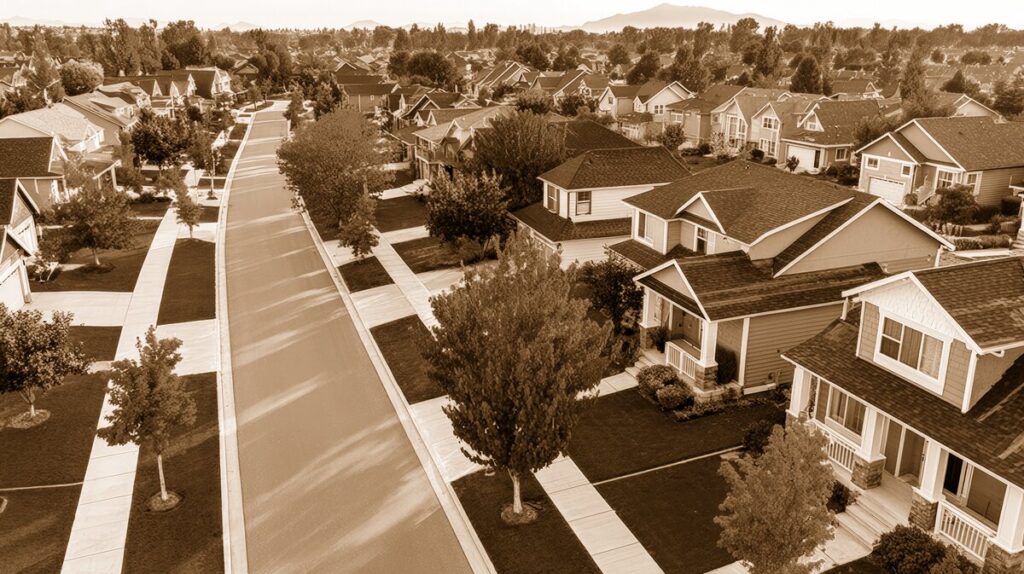
Belle Haven, a serene waterfront oasis nestled just south of downtown Greenwich, CT, stands as a testament to refined history and architectural splendor. For generations, its tranquil lanes shaded by stately trees and its panoramic views of Long Island Sound have beckoned families, dreamers, and visionaries alike. Join me as we explore Belle Haven’s origins, celebrate its cherished landmarks, and reflect on the living legacy that continues to shape this iconic community.
The Birth of Belle Haven: From Pastures to Prestigious Shores
Belle Haven’s history began in the mid-19th century, when this area south of the railroad tracks was largely rolling farmland and tidal marshes. The land was part of the vast holdings of the Ferris family, early settlers who cultivated much of Greenwich’s southern coastline. The transformation from rural pasture to exclusive residential enclave began in earnest in the 1880s, energized by the era’s new affluent class seeking summer retreats away from New York City’s bustle.
A visionary group of investors, led by financier William E. Putnam and influential local families, acquired the land then known as “Indian Harbor.” Noticing the splendid views and gentle breezes off Long Island Sound, they saw the potential for a planned residential community. They named their project “Belle Haven”—drawn from the French word “belle,” meaning beautiful, and the English “haven,” describing the peaceful, sheltered harbor that characterizes this corner of Greenwich.
Key Milestones: From Resort Roots to Residential Retreat
Belle Haven was soon established as a gated, park-like association with tree-lined streets and carefully plotted lots. By the 1890s, the Belle Haven Land Company transformed the neighborhood into a “cottage colony,” a fashionable summer destination for New York’s elite. Grand mansions rose on parcels along Field Point Drive, Harbor Drive, and Otter Rock Drive, distinguished by shingle-style architecture and lush, manicured lawns.
A landmark moment in Belle Haven’s early years was the founding of the Belle Haven Club in 1889, which quickly became the social heart of the neighborhood. The Club offered residents venues for sailing, tennis, swimming, and elegant gatherings, fostering a strong sense of community spirit that endures to this day.
Through the early 20th century, Belle Haven’s reputation only grew, as architects like Charles A. Platt, Carrère and Hastings, and Delano & Aldrich contributed designs for stately homes, blending New England charm with cosmopolitan grandeur. The imposing stone gatehouse at the intersection of Field Point Road and Otter Rock Drive, erected in the early 1900s, stands as a reminder of the area’s origins as a private, protected enclave.
Landmarks, Streets, and Institutions: Anchors of Heritage
Several notable Belle Haven sites tell the story of its evolution:
- The Belle Haven Club: Still active and vibrant, the Club is the neighborhood’s gathering place, with panoramic views from its waterfront terrace.
- Field Point Circle: Home to some of Belle Haven’s most distinguished residences, including historic mansions with storied pasts and newer homes that reflect the area’s lasting prestige.
- Otter Rock Drive: Lined with majestic elms and historic homes, this street is quintessential Belle Haven, marrying tradition with timeless beauty.
- The Stone Gatehouse: Marking the neighborhood’s entrance, the gatehouse evokes an era when Belle Haven was accessible primarily by carriage and yacht.
Beyond individual landmarks, Belle Haven’s lush, private parks and waterfront promenades—reserved for residents—add to its sense of sanctuary. Many generations learned to swim, sail, and picnic along the shores of Byram Harbor, creating memories as enduring as the landscape itself.
A Tapestry of Residents: Legends and Legacies
Belle Haven has long attracted a distinguished roster of residents: industrialists, philanthropists, business leaders, and creatives drawn to the blend of privacy and proximity. Over the decades, the neighborhood has been home to famous financiers, noted artists, and community leaders. Anecdotes about garden parties, yachting regattas, and neighborhood celebrations echo through the decades, underscoring Belle Haven’s role as a cradle of Greenwich civic life.
Changing with the Times: Belle Haven Today
While its architectural fabric and traditions remain steadfast, Belle Haven has continued to adapt. Grand, turn-of-the-century mansions have been lovingly restored or thoughtfully renovated. A careful balancing of preservation and modernization has ensured that the neighborhood retains its charm while meeting the needs of 21st-century families.
Today, Belle Haven feels at once historic and vibrant. Children ride bikes along Shore Road, families gather at the Club for holiday celebrations, and neighbors greet one another beneath ancient oaks and maples. Strict association guidelines protect the beauty and cohesion of the streetscape, and a pride in shared heritage runs deep in the community.
Enduring Appeal: Why Belle Haven Captivates
Ask any longtime resident what makes Belle Haven so special, and the answers come easily:
- A sense of sanctuary, minutes from bustling Greenwich Avenue.
- Deep community ties—knit over decades by shared traditions and neighborly warmth.
- Breathtaking natural beauty, from sunrise glinting on the harbor to lingering twilight over the lawns.
- The legacy of careful stewardship, where each generation honors the past while embracing new challenges.
Belle Haven is more than a neighborhood—it is a living piece of Greenwich history, a place where the echoes of the past enrich the joys of the present. For residents and visitors alike, the story continues, written every day along Field Point Road, by the harbor’s edge, and within the vibrant hearts of those who call Belle Haven home.